Finding bed bugs in your home can be unsettling. These tiny pests are notoriously difficult to spot and many people don’t realise they have a problem until the infestation has already started to grow. Whether you live in a house, apartment or rental property, understanding how bed bugs spread and what you can do to prevent them is essential.
What Exactly Are Bed Bugs?
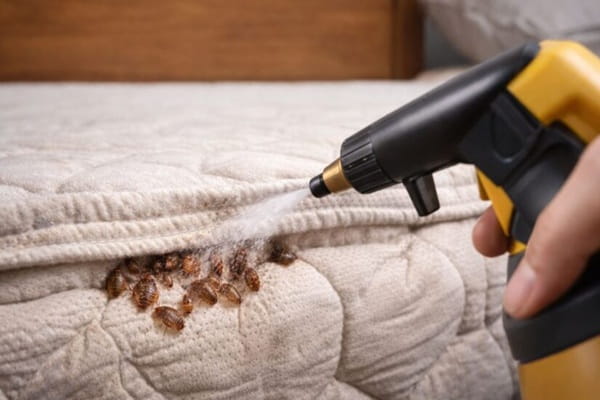
Bed bugs are small, reddish-brown insects that feed on human blood. They are usually active at night and prefer to stay hidden during the day. Common hiding places include mattress seams, bed frames, upholstered furniture, skirting boards and even small cracks in walls.
One of the biggest myths about bed bugs is that they only appear in dirty homes. In reality, cleanliness has very little to do with whether bed bugs move in. These pests are attracted to people, not dirt which means even well-maintained homes can become infested.
Early Signs You Shouldn’t Ignore
The sooner bed bugs are detected, the easier they are to manage. Unfortunately, many of the warning signs are easy to overlook at first.
Keep an eye out for:
- Small, itchy bite marks that often appear in groups
- Tiny blood spots on sheets or pillowcases
- Dark specks on mattresses or furniture
- Shed insect skins near hiding areas
- Live bed bugs around mattress seams or bed frames
Not everyone reacts to bed bug bites in the same way. Some people develop noticeable irritation, while others may not show any visible symptoms at all.
How Bed Bugs Find Their Way Indoors
Unlike ants or cockroaches, bed bugs don’t invade homes in search of food scraps. Instead they usually arrive by hitching a ride on everyday items.
Some of the most common sources include:
- Suitcases and travel bags
- Used furniture and mattresses
- Clothing and personal belongings
- Shared accommodation and hotels
- Visitors unknowingly carrying them from another location
Because they are so small and skilled at hiding, bed bugs can easily go unnoticed until they become established.
Why Home Remedies Often Fall Short
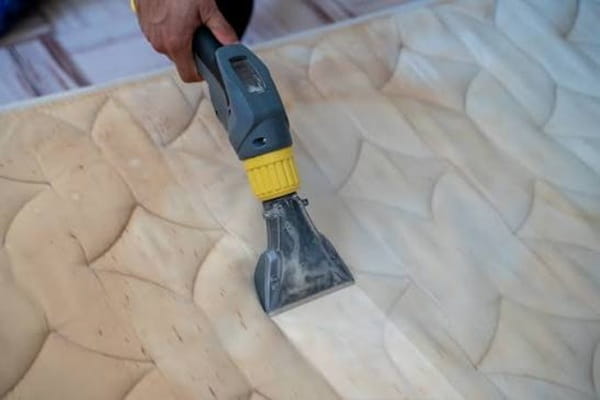
When people first discover bed bugs control, it’s natural to look for a quick fix. Unfortunately many DIY treatments only deal with the insects that are visible.
The real challenge is that bed bugs can hide deep inside furniture, cracks, and other hard-to-reach spaces. Their eggs are even more difficult to eliminate. As a result infestations often return after temporary treatments, leading to ongoing frustration and expense.
Practical Ways to Help Prevent Bed Bugs
While no prevention method offers a guarantee, a few simple habits can greatly reduce the risk of bringing bed bugs into your home.
-
Check Hotel Rooms When Travelling
-
Be Careful With Second-Hand Furniture
-
Reduce Clutter Around Sleeping Areas
-
Wash Travel Clothing Promptly
-
Knowing When to Seek Professional Help
Take a few minutes to inspect the bed, mattress seams and headboard before unpacking your belongings.
Always inspect used furniture thoroughly before bringing it indoors. Pay close attention to seams, folds, and hidden corners.
A clutter-free space gives bed bugs fewer places to hide and makes inspections easier.
After returning from a trip, wash and dry clothing according to care instructions to help minimise the risk of transporting pests into your home.
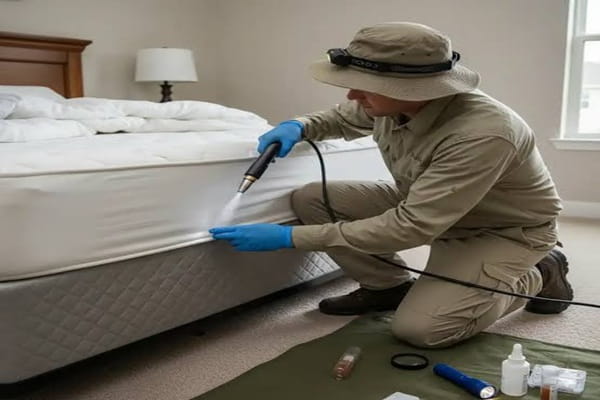
If you’ve noticed several warning signs or continue to experience unexplained bites, it’s worth having the situation assessed by a professional. Acting early can prevent a small issue from turning into a widespread infestation that affects multiple rooms.
Final Thoughts
Bed bugs are a problem no homeowner wants to face, but being informed can make a significant difference. Learning how to recognise the early signs, understanding how infestations start and taking sensible preventive measures can help you avoid unnecessary stress and disruption.
A little awareness today can go a long way towards keeping your home comfortable, healthy, and free from unwanted pests.
0 Comments